Dont Panic!
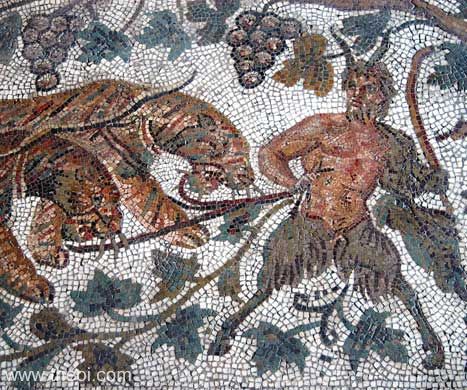
It was only recently that I heard about the etymology of the noun 'panic'. I have used this word throughout my life without knowing it's orgin. We have adopted so many words into English and use these words according to a modern understanding or usage of the word. But below thethe modern meaning, there often is an amazing etymological story.
In Greek mythology, Pan was the goat-legged god of shepherds, flocks, and wild places, worshipped in the mountains of Arcadia. He was the son of Hermes, however, because of his unusual appearance, he was mocked and teased. He briefly lived on Mt Olympus before leaving to live in the mountains, forests, and caves of Arcadia. Travellers both honoured and feared him, since unexplained terror in lonely country was attributed to his anger. The Greeks called it panikon deima, “Pan’s fear.” The word reached French as panique and English in the early 1600s, first as an adjective before becoming the noun we use today.
Pan also appears in early Christian history. At Caesarea Philippi (modern day Israel/ contested Golan Heights), a rock face and cave beneath Mount Hermon were sacred to Pan. According to Matthew’s Gospel, it was here that Jesus spoke of building his church “upon this rock.” (Matthew 16:18) Some interpretaions see a connection in the location: by traveling to the heart of Pan’s territory and paganism, Jesus confronted the false "goat-god" shepherd on his own turf. Jesus presented Himself and His disciples as the true shepherds of a new, secure flock that would not succumb to fear or chaos.
Sources:
https://www.theoi.com/Georgikos/Pan.html, accessed 14 October 2026
https://www.bibleplaces.com/caesarea-philippi-banias/ accessed 14 October 2026